Traditional Mongolian Medicine
Introduction
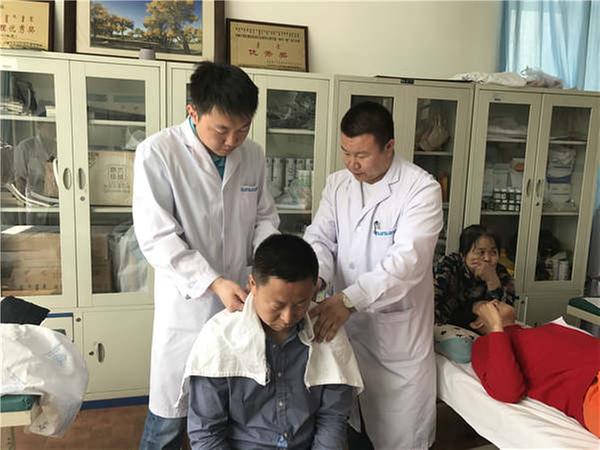
Traditional Mongolian medicine is a distinctive system of traditional medicine practiced primarily in Mongolia and regions with significant Mongolian populations in China, such as Inner Mongolia autonomous region. Emerging from the nomadic lifestyle of the Mongolian steppes, this ancient practice incorporates elements of Tibetan medicine, traditional Chinese medicine (TCM), and indigenous healing practices. It is characterized by its use of natural herbs, minerals, and specific diagnostic and therapeutic techniques such as acupuncture and massage.
Historical Background
Traditional Mongolian medicine is believed to date back to the time of Genghis Khan, a period when medical practices were heavily influenced by the needs of the nomadic lifestyle. The Mongolian steppes, with their expansive grasslands and diverse flora, provided a rich source of medicinal plants and minerals. Over centuries, this practice evolved, integrating influences from neighboring cultures.
Principles and Practices
Traditional Mongolian medicine is based on the belief that the human body is a comprehensive unit with an inherent self-healing capacity. Its therapeutic approaches focus on mobilizing the body's natural defenses to cure ailments. This holistic perspective is reflected in its treatment protocols, which often involve administering different medicines at specific times throughout the day to align with the body's natural rhythms.
The medicine itself is primarily composed of herbs and minerals, which are considered natural and generally have fewer side effects compared to many Western pharmaceuticals. Practitioners often use smaller doses, focusing on the quality and synergy of ingredients. This approach is not only cost-effective but also aligns with the sustainable use of natural resources from the Mongolian steppes.
Key Practitioners and Development
The practice of traditional Mongolian medicine has traditionally been passed down through generations. Notable practitioners such as Namdaq Dampilon, a medical intern from Russia, and Ulaan, the head of the Inner Mongolia International Mongolian Hospital, have contributed to its modernization and international recognition. These practitioners emphasize the importance of blending Mongolian medicine with Western practices to enhance its effectiveness and accessibility.
Namdaq Dampilon, driven by his ethnic roots and family background in medicine, represents a new generation of practitioners dedicated to preserving and advancing the knowledge of Mongolian medicine. He has observed firsthand the benefits of traditional treatments for conditions like orthopedic diseases, which are often treated with methods such as acupuncture and massage.
Ulaan has been pivotal in promoting Traditional Mongolian Medicine beyond its local borders. Under her leadership, the Inner Mongolia International Mongolian Hospital has become a center for cross-border medical services, attracting thousands of patients from Mongolia and beyond, showcasing the growing interest and efficacy of these traditional practices.
Integration with Western Medicine
The integration of traditional Mongolian medicine with Western medical practices is seen as a promising approach to addressing healthcare challenges, particularly in regions with limited medical resources. The combination allows for a broader range of treatment options and can enhance the effectiveness of healthcare delivery, especially in rural and underserved areas.
Practitioners like Khangai Baatar emphasize the strengths of traditional methods in treating specific conditions, such as stomach and lung diseases, while recognizing the value of Western medicine in diagnostics and surgical interventions. This integrative approach aims to harness the strengths of both systems, providing comprehensive care that respects cultural traditions while embracing modern medical advancements.
Modern Developments and Global Recognition
In recent years, there has been a resurgence of interest in traditional Mongolian medicine, partly due to the efforts of institutions like the Inner Mongolia International Mongolian Hospital and growing international collaboration. This has led to increased academic exchanges, training programs, and the development of medical diplomacy initiatives, aligning with global health strategies such as the Belt and Road Initiative.
The hospital, founded in 2012, has become a flagship institution for traditional Mongolian medicine, attracting patients from across China and neighboring countries. With over 2,000 patients visiting daily, it serves as a testament to the effectiveness and growing popularity of these ancient practices.








